About Us
Seasonal migration is a major reality across the Marathwada region of Maharashtra. Families migrate every year from districts such as Parbhani, Beed, Osmanabad, Latur, Nanded and Jalna in search of work. Many of these families travel to other districts for sugarcane cutting and daily wage labour, while others move to cities like Mumbai, Navi Mumbai, Pune, Kolhapur and Sangli, and even to neighbouring states such as Karnataka and Telangana. For most families, migration is not a choice but a way to survive.
This continuous movement has a direct impact on children and women. Children's education gets disrupted year after year, many fall behind or drop out of school, and the risks of child labour and early marriage increase. Access to health, nutrition, and safety becomes uncertain, and children grow up without stable support systems. Since this cycle repeats every year, the impact becomes long-term and keeps families in a situation of ongoing vulnerability.
At Sankalp Manav Vikas Sanstha, migration is at the centre of our work. We work with families in source areas of Marathwada, stay connected during the migration period through community coordination, and also support them in destination areas including urban and semi-urban locations. This approach helps ensure that children continue their education, remain safe, and receive consistent support at every stage, even in the context of migration.
At the same time, we also work towards reducing distress migration by strengthening local opportunities and support systems so that families are not forced to migrate every year.
If migration is not addressed, children continue to lose out on education year after year. By working on migration as a core issue, we are not only supporting families in the present but also breaking the cycle of vulnerability for the next generation.
Our Key Interventions / Work
1. Education Support for Children
We run Digital Learning and Creativity Centres in migration-prone areas to ensure children continue learning even when their parents migrate.
Children receive:
- Remedial education (basic literacy and numeracy)
- Digital learning exposure
- Creative activities
- Sports and physical development
- Advocacy for seasonal hostels
2. Child Protection: Preventing Child Marriage and Child Labour
Migration increases the risk of children entering labour or getting married early.
We work with families and communities to:
- Identify at-risk children
- Provide counselling and awareness
- Support families to keep children in education
- Link with local systems for protection
These centres act as safe spaces for children.
3. Working with Communities
Strong community support is important to protect children.
We engage with:
- Parents and caregivers
- School teachers, School Management Committees and Village Child Protection Committee (VCPC)
- Anganwadi and ASHA workers
- Local leaders and community groups
This helps create a safety net around children.
4. Health and Nutrition Support
Migration often disrupts access to basic health and nutrition, especially for children and women.
We work to:
- Promote regular health check-ups and referrals
- Support access to Anganwadi and local health services
- Create awareness on nutrition, hygiene, and adolescent health
- Ensure children and families are linked to available government services
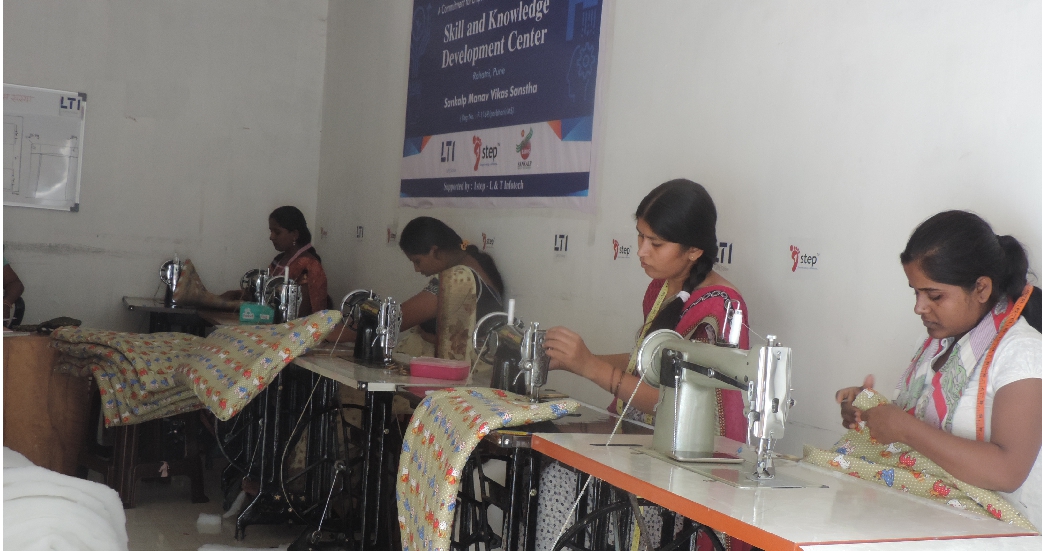
5. Supporting Youth, Women and Livelihoods
Migration is driven by lack of stable income.
We support women through:
- Skill training (such as tailoring, beautician, electrician, etc.)
- Income generation opportunities
- Production centre linkages
- Work-from-home opportunities
This helps reduce distress migration over time.
6. Urban Support for Migrant Families
In cities like Navi Mumbai and Raigad, we work with migrant and low-income communities to:
- Support children's education
- Provide skill-building opportunities
- Strengthen community systems